

Preparing Your Body for Labour

Labour is one of the most physically and emotionally significant events your body will ever experience. While it’s impossible to predict exactly how your birth story will unfold, there’s a great deal you can do to support your body in the weeks leading up to it. A few key exercises and habits at home can help your body work with the natural rhythm of labour rather than against it.
A well-functioning pelvis, supple spine and adaptable pelvic floor all play a major role in how comfortably and efficiently labour progresses. Below are some simple at-home practices that can help you prepare.
1. Pelvic Alignment & Mobility
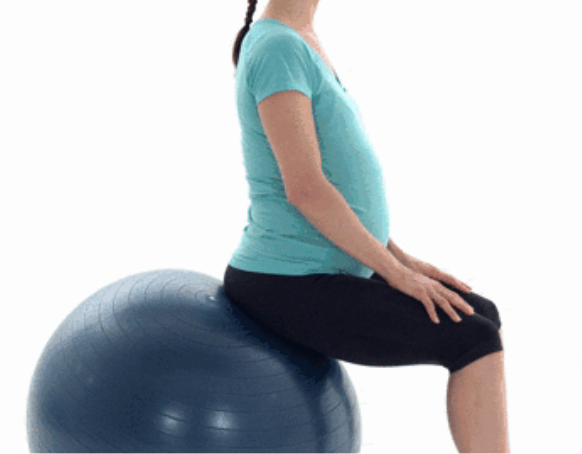
Your pelvis isn’t a rigid structure, it’s a dynamic ring of bones, joints and soft tissues that needs to move, soften and widen as labour progresses. When the pelvis is well balanced, it creates the space your baby needs to descend and rotate during birth.
How to prepare:
Pelvic circles on a birth ball
Gently move your pelvis in circles, side to side, and forwards and backwards for 5-10 minutes to encourage mobility.
Hip mobility
Gentle stretches such as hip flexor lengthening, modified pigeon pose and glute stretches help free the muscles around the pelvis.
Cat-cow
This smooth, rhythmic movement mobilises the lumbar spine and sacrum, reducing lower back tension.
2. Lower Back Mobility
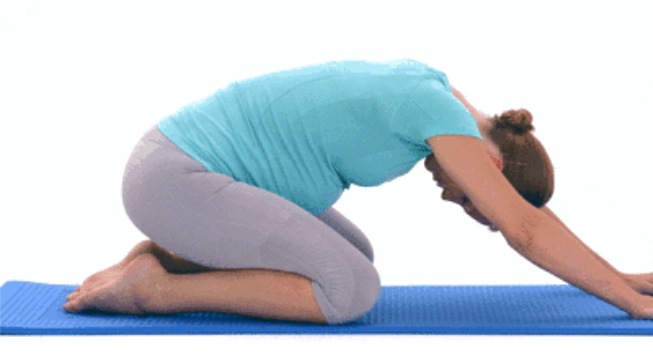
As your bump grows, the curves of the spine adapt, often placing extra strain on the lower back. A stiff lumbar spine can slow the progress of labour because your baby has a harder time navigating the curve of your spine. Restoring lower back mobility supports your baby’s movements and helps ensure a smoother passage into the world.
How to prepare:
Child’s pose with wide knees
Lengthens the lower back and helps the sacrum move freely.
Pelvic tilting
Supine or standing, gently tilt your pelvis forwards and backwards to release stiffness.
Thoracic rotation
Encourages mid-back mobility, helping your whole spine stay adaptable.
3. Pelvic Floor & Perineal Massage
The pelvic floor is remarkable. It supports your growing baby for months, then softens, lengthens and yields during birth. While strength is helpful, the ability to relax is equally important. Many women focus on pelvic floor strengthening but don’t realise how crucial pelvic floor relaxation and coordination are for labour.
Perineal massage can be a hugely effective tool in the final weeks. Starting around 34 weeks, gentle massage helps you become familiar with the sensation of stretching and encourages elasticity in the tissues. If you’re unsure where to start, we’re always happy to guide you through the technique and help you understand the anatomy so it feels less daunting.
How to do it:
• Use a natural oil suitable for sensitive skin.
• Relax the area with a warm bath or warm compress.
• Insert your thumbs about 2–3 cm and gently press downwards and outwards in a U-shape for a few minutes.
• Focus on slow breathing and releasing tension rather than forcing the stretch.
4. Breathing Mechanics
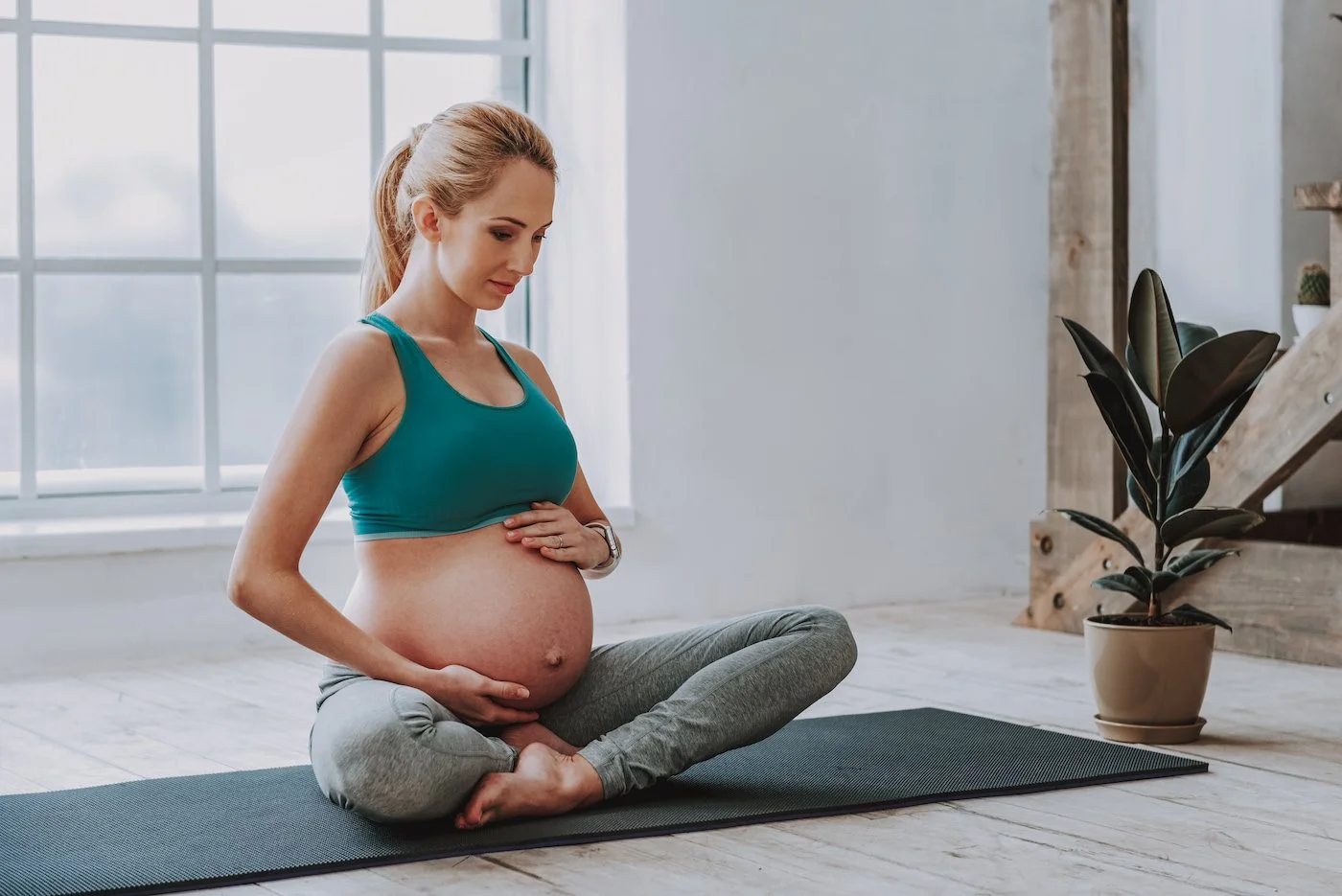
Breathing is one of the most powerful tools you have for labour. It’s closely connected to how the pelvis and pelvic floor behave. When you breathe deeply into the diaphragm, the pelvic floor naturally lengthens; as you exhale, it gently recoils. This rhythm supports both relaxation and stamina.
Improving rib mechanics and upper-back mobility helps you take fuller, more effective breaths, supporting smoother progress during labour.
Practices to try:
Slow diaphragmatic breathing: inhale through the nose, feel the ribs widen, then allow a long slow exhale.
Sighing out: releases jaw and pelvic tension, which are neurologically linked.
Labour-specific breathing: lighter breathwork in early labour, shifting to deeper rhythmic breaths as contractions intensify.
5. Strength & Functional Movement
While late pregnancy isn’t the time for high-intensity exercise, it is the time to maintain supportive strength. Strong glutes stabilise the pelvis, steady legs make upright labour positions easier, and a bit of upper-body strength helps if you want to lean forwards or use your partner for support during contractions.
Movements to try:
• Supported squats
• Wall sits
• Gentle lunges
• Resistance-band glute work
• Light upper-body strengthening
6. Practising Labour Positions

Every labour is different, and there is no “right” position. The important thing is experimenting beforehand so your body knows what feels natural. Some women find that being on all fours relieves pressure; others prefer leaning over a birth ball. Side-lying is a brilliant resting position, especially if you’ve had an epidural or want something more gentle.
Useful positions:
• All fours (eases back pressure)
• Supported squat (opens the pelvis)
• Side-lying (ideal for rest or epidural)
• Leaning forwards over a ball or bed (encourages baby’s descent)
How Osteopathy Helps You Prepare
Osteopathy offers more than pain relief in pregnancy, it helps your body respond fluidly to the demands of labour. By improving pelvic and spinal mobility, releasing tension, enhancing breathing mechanics and supporting the pelvic floor, we aim to help you enter labour feeling more comfortable, confident and prepared.
If you’d like personalised support as you approach your due date, we’d love to help. Outline Health Osteopathy, based near Farnham, Surrey, offers pregnancy and postnatal osteopathic care tailored to your body and your birth goals.