
Vitamin D: Why we should all be thinking about it this winter
As the days get shorter and we start spending less time outdoors, there's one nutrient worth paying a little more attention to: vitamin D.
Often called the sunshine vitamin, vitamin D is essential for healthy bones, muscles and teeth. It also plays a role in immune function and a number of other processes throughout the body.
The problem is that, in the UK, most of us cannot produce enough vitamin D from sunlight during the winter months. And because there are relatively few foods that contain significant amounts, it's surprisingly easy to become deficient.
Why do we need vitamin D?
Vitamin D has several important jobs, but one of its main roles is helping the body absorb calcium and phosphate from our diet. These minerals are essential for maintaining healthy bones and teeth.
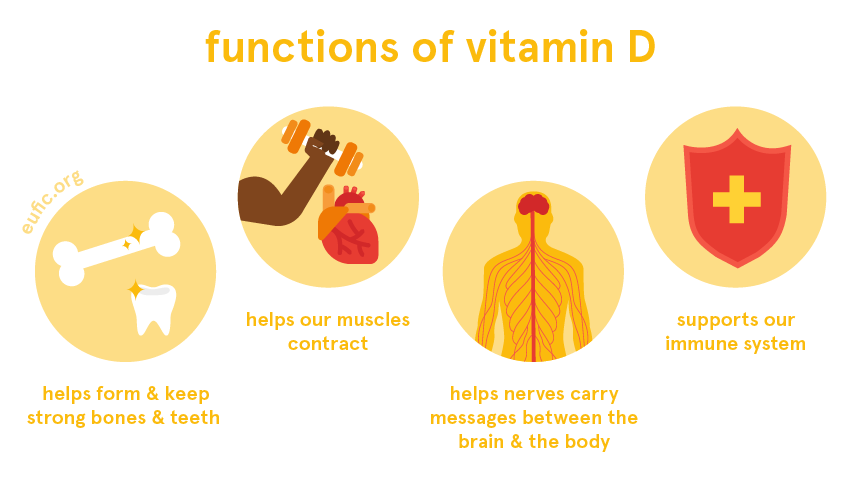
Without enough vitamin D, our bodies struggle to absorb calcium effectively. Over time, severe deficiency can lead to a condition called osteomalacia, where bones become softer and weaker. This can cause bone pain, tenderness and muscle weakness.
Vitamin D is also important for normal muscle function. Low levels can contribute to muscle weakness and, particularly in older adults, an increased risk of falls. There is growing research into its role in the immune system, brain function and wider metabolic health too.
Why are we more likely to be deficient in winter?
Our bodies produce vitamin D when UVB radiation from sunlight reaches the skin. This triggers a chemical reaction involving a substance called 7-dehydrocholesterol, which is naturally present in our skin cells. It is converted into vitamin D3, which undergoes further processing in the liver and kidneys before becoming biologically active vitamin D.
During spring and summer, most people in the UK can produce enough vitamin D through regular exposure to sunlight.
But from around October until early March, the sun is too low in the sky for sufficient UVB radiation to reach us. This means that even if you're out walking, running or gardening, your skin isn't producing meaningful amounts of vitamin D.
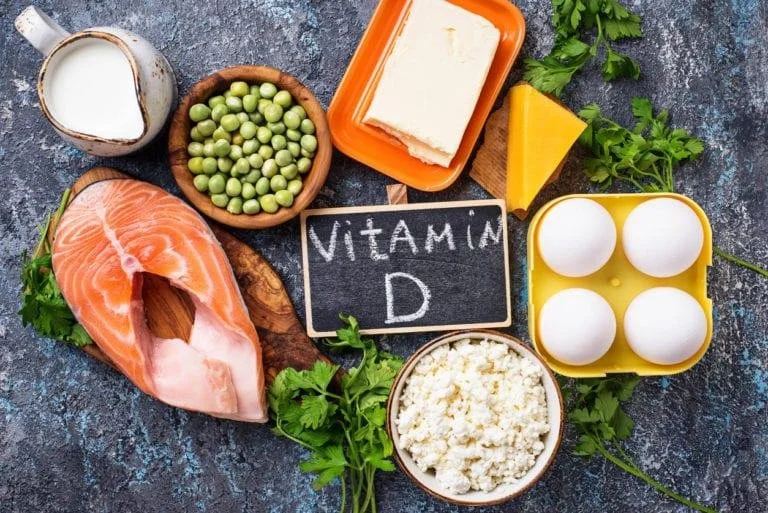
We then have to rely on dietary sources and any vitamin D stored from the summer.
The difficulty is that food alone often isn't enough. Oily fish, eggs, red meat and some fortified foods contain vitamin D, but there are relatively few good dietary sources.
As a result, our vitamin D levels can gradually fall throughout the winter.
Is this something women should be particularly concerned about?
There is an interesting additional consideration for women as we move through midlife and menopause.
Research suggests that women after menopause are particularly likely to have low vitamin D levels. One systematic review of 32 studies found that around 77% of postmenopausal women had vitamin D levels below 30 ng/ml. However, this figure includes women with levels that would not necessarily be classified as deficient under UK clinical guidance.
So why might this happen?
Oestrogen has a much wider role in the body than simply regulating our reproductive hormones. It influences bone metabolism, skin health and body composition, all of which can have an impact on vitamin D status.
As oestrogen declines, several changes take place:
Bone health: Falling oestrogen accelerates bone loss. Vitamin D becomes particularly important because it helps us absorb the calcium needed to maintain bone strength.
Skin changes: Oestrogen influences skin thickness, collagen and the activity of skin cells. We know that skin changes during menopause, although exactly how this affects vitamin D production is still being investigated.
Body composition: Women often experience changes in body fat distribution around menopause. Because vitamin D is fat-soluble, it is distributed into fatty tissue, and people with higher levels of body fat tend to have lower circulating vitamin D levels.
There is still much to learn about the precise relationship between oestrogen and vitamin D metabolism, but it is another reason to pay attention to vitamin D as we get older.
And importantly, this isn't just a menopause issue. Vitamin D deficiency can affect men and women of all ages.
Who is most at risk?
Although everyone in the UK should think about vitamin D during winter, some people are more likely to have low levels throughout the year.
These include:
People with darker skin, particularly those of African, African-Caribbean or South Asian backgrounds. Higher levels of skin pigment reduce the amount of vitamin D produced from sunlight.
People who spend little time outdoors, including those who are housebound or living in care homes.
People who regularly cover most of their skin when outdoors.
Older adults, whose skin becomes less efficient at producing vitamin D.
People with conditions affecting the absorption of nutrients through the gut.
So, should we all be taking a supplement?
The UK Government recommends that everyone should consider taking a daily supplement of vitamin D during autumn and winter (October to early March).
Some people should consider taking a supplement all year round, particularly those with darker skin or those who have little exposure to sunlight.
A point to note, Vitamin D is fat-soluble, which means it can accumulate in the body. Taking excessive amounts over a prolonged period can cause too much calcium to build up in the blood, potentially damaging the kidneys and heart.
A little reminder for the winter months
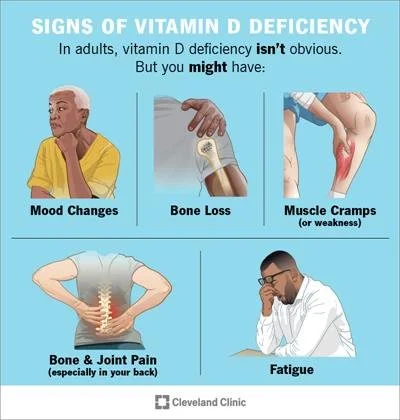
Vitamin D isn't a miracle supplement, and it won't necessarily solve fatigue, aches, low mood or brain fog. These symptoms can have lots of different causes.
However, significant vitamin D deficiency can cause muscle weakness and bone pain, so if you're experiencing unexplained symptoms, it's worth discussing this with your GP. A blood test can check your vitamin D levels where clinically indicated.
And remember, looking after our bones and muscles involves more than just vitamin D. Regular weight-bearing exercise, strength training, adequate dietary calcium and protein all play an important part.
So, as we head into another British winter, it's worth checking whether you're getting enough vitamin D. A simple daily supplement of vitamin D is an easy way to help protect your bone and muscle health through the darker months.
References: